Rose Gertsakis
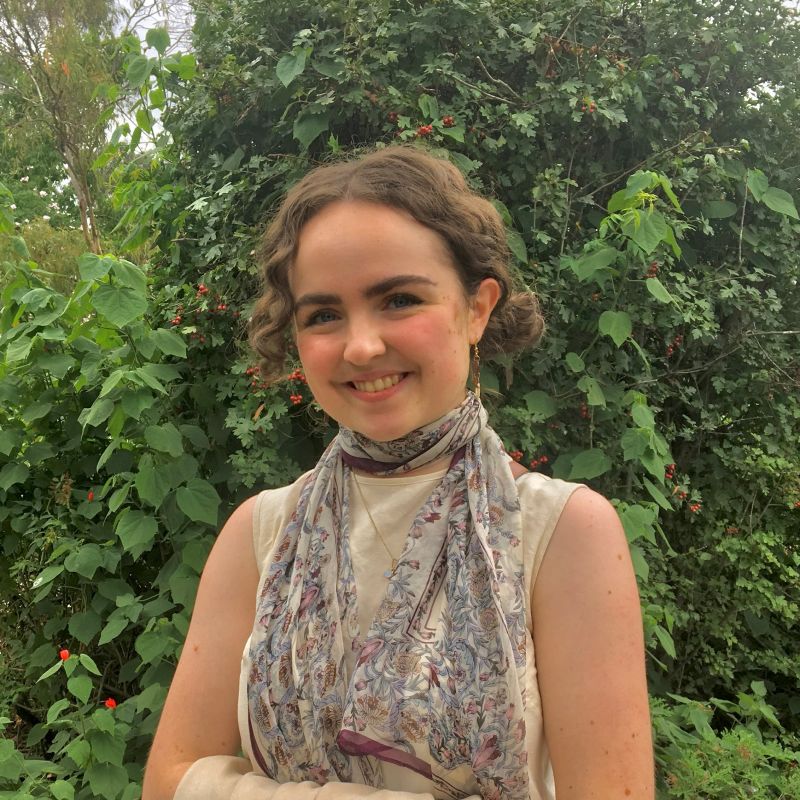
Student@Work Intern – Research Management Support Stream
1) What is a typical day like as an intern in your stream?
During my time in Scholarly Services as part of the Scholarly Development (Research) team, I have been exposed to many different types of work including both standard, day-to-day operations and short-term projects. During semester, I would usually begin a typical workday on-campus by heading to the office after a morning class. I’d catch up with colleagues on the way in, grab a tea and get set-up at my desk (which had a great outlook over Swanston Street). After responding to emails and organising my to-do list, it would be time for a team meeting in which we would catch-up, update each other on our work and get any queries answered. After a lunch break, I would draft and schedule a weekly blog post and disseminate communications for programs such as Researcher@Library and Visualise Your Thesis - all facilitated by receiving excellent guidance from my team. I’d then schedule some content for the @unilibrary Twitter account before assisting with administrative tasks such as designing certificates for Visualise Your Thesis or documenting workflows. As 5pm closed in, I would update my task list, plan for the next day and have a chat with people in the office before heading off.
2) How has your internship supported your professional or career goals?
This internship has opened my eyes to the variety of exciting possibilities that exist in my professional area of interest. I applied for this program during the third year of my Bachelor of Arts (majoring in Art History and Literature alongside a Diploma in French Studies) as I was eager to explore my interest in research and collections in a professional capacity. At the beginning of my internship, my manager talked to me about the GLAMR sector (Galleries, Libraries, Archives, Museums and Records) and, as my internship was situated within Student and Scholarly Services, I have learned how these different areas interact, support, and fortify each other – such as at the University Digitisation Centre. My two team-members studied similar degrees at university and, having experienced the transition from university into similar professional areas, they have been able to provide me with the wisdom and support to develop both my general professional skills and proficiencies more specific to the research and collections space. This internship gave me an opportunity to deep dive into my areas of interest, confirmed my professional goals and has also brought about further, exciting opportunities for 2022.
3) What did you enjoy the most about your internship?
Throughout my internship, I have really enjoyed being able to meet the great people working in the research development space at the University of Melbourne. Within my undergraduate studies, I am currently at the receiving end of the university’s recent research projects via my encounters with teaching academics as well as also beginning to pursue personal graduate research opportunities. Via the internship, however, it has been most interesting to learn how the university’s research and collections are produced, organised and managed – and, most pertinently, what it takes to work as a researcher, in research support and collections management. Everyone in my team had different study backgrounds, and it has been insightful to see how this diverse range of knowledge and expertise harmonises to create expert resources for the university’s researchers - whether it be a series of webinars or a digitised art collection. Every small chat with colleagues along the way has been insightful and enjoyable, and I couldn’t have asked for a better team of people to lead me through my first internship.
4) What is one skill that you have learned during your internship?
Throughout my internship, my time management skills have improved immensely. Working within a complex team of staff from various areas of Student and Scholarly Services including Liaison Librarians, a Scholarly Development Consultant (Research) and the Program Manager of Scholarly Development (Research) while completing the third year of my undergraduate degree has fortified my ability to plan tasks and save time smartly. By nature, the Student@Work program straddles what it means to be a passionate student and how this translates into working in the university sector, and the reciprocity of these two areas has allowed me to develop my time management skills in both.