
About Healthy Eating
Our Healthy Eating program aims to support and enhance your overall wellbeing through education, nutrition and social events. Powered by the University Health Promotion Program.
Workshops and recipes
-
Cooking Workshops
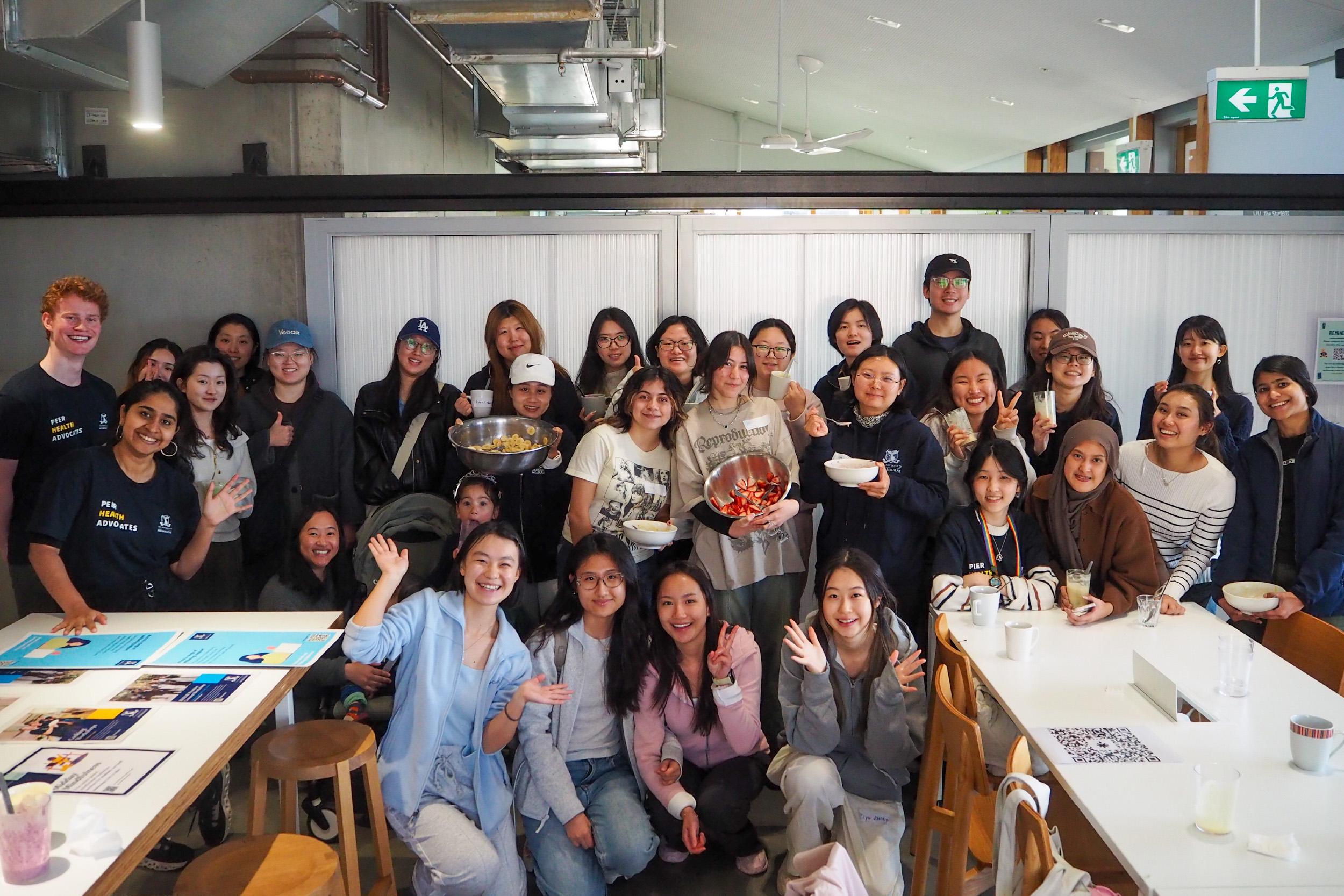
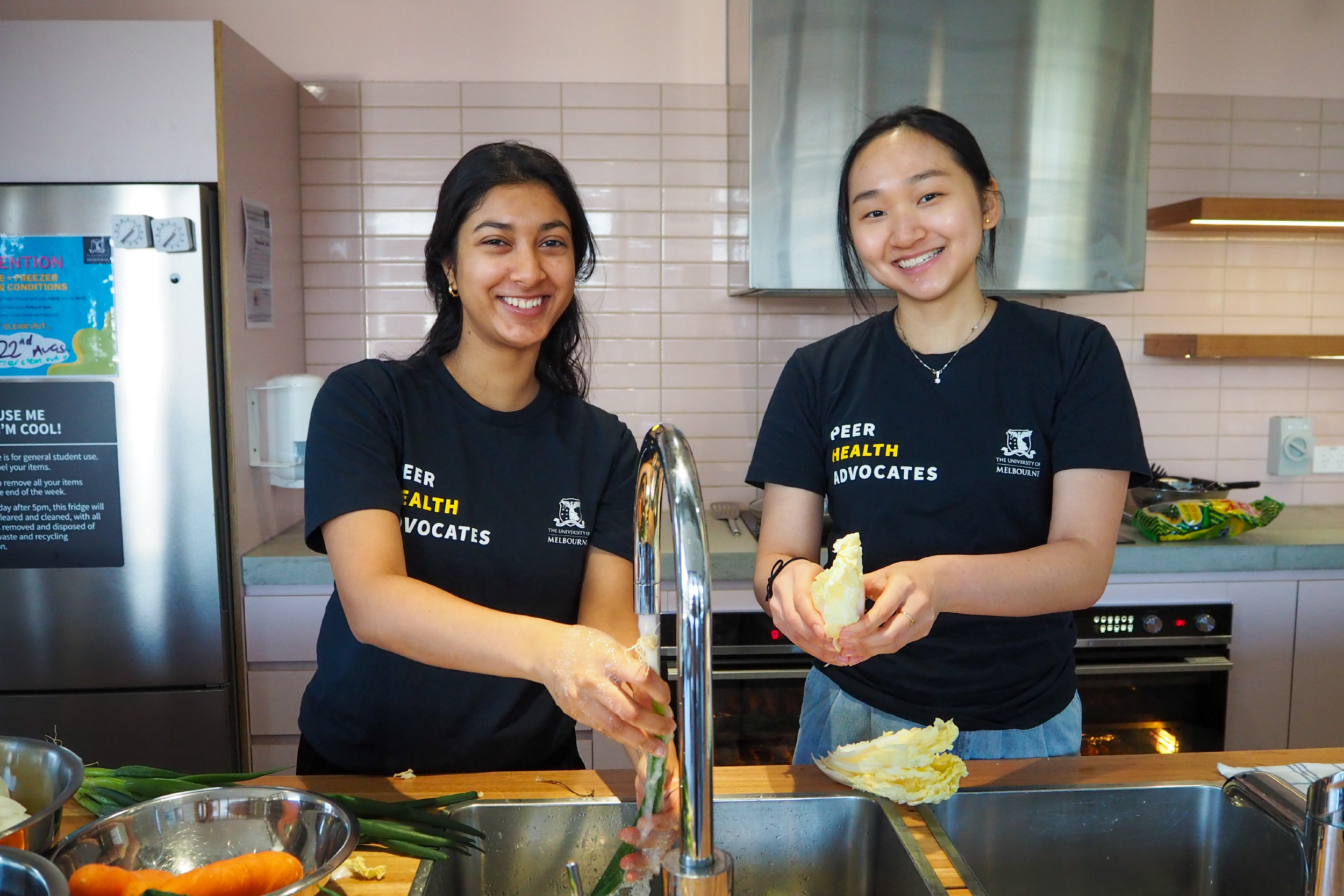
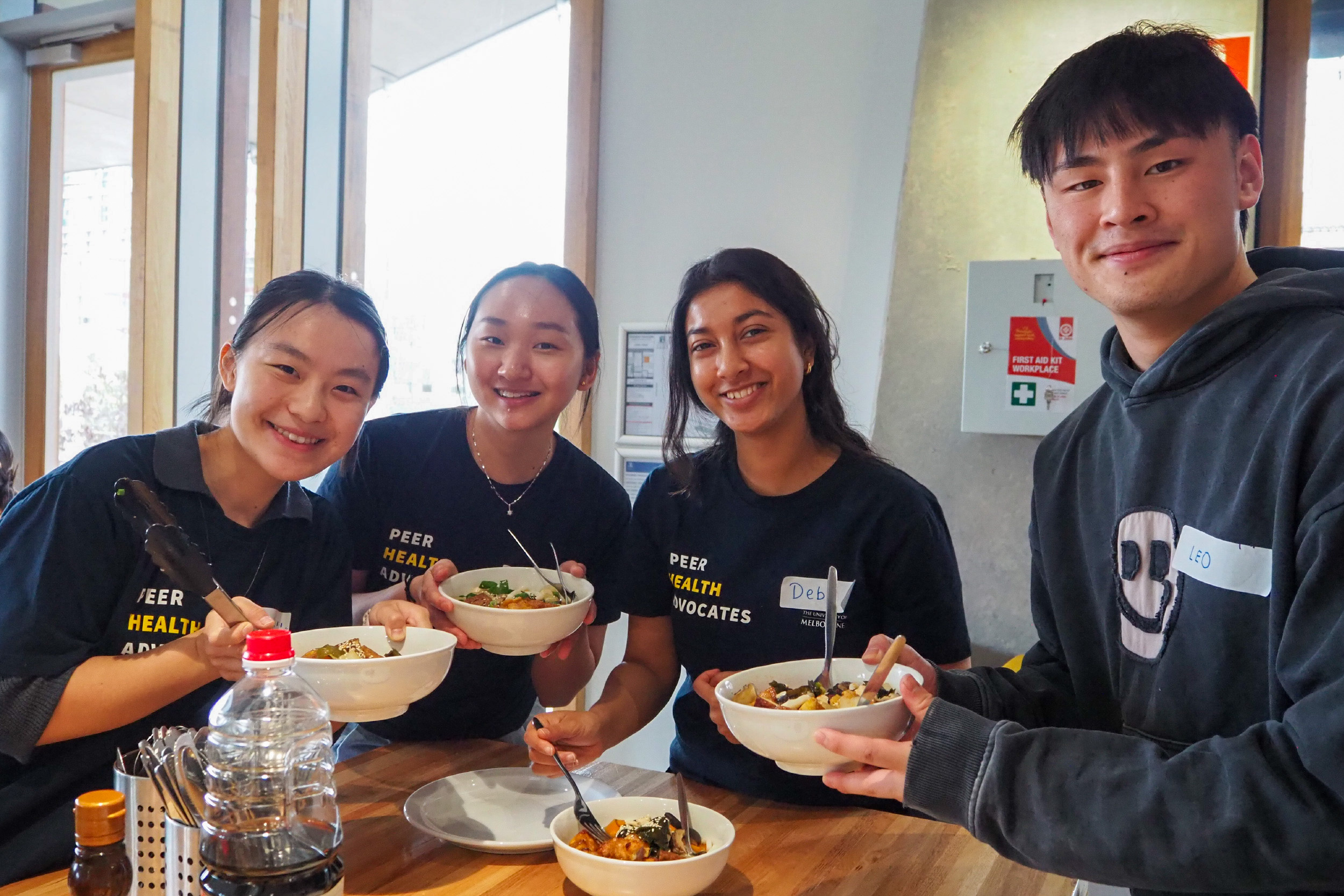
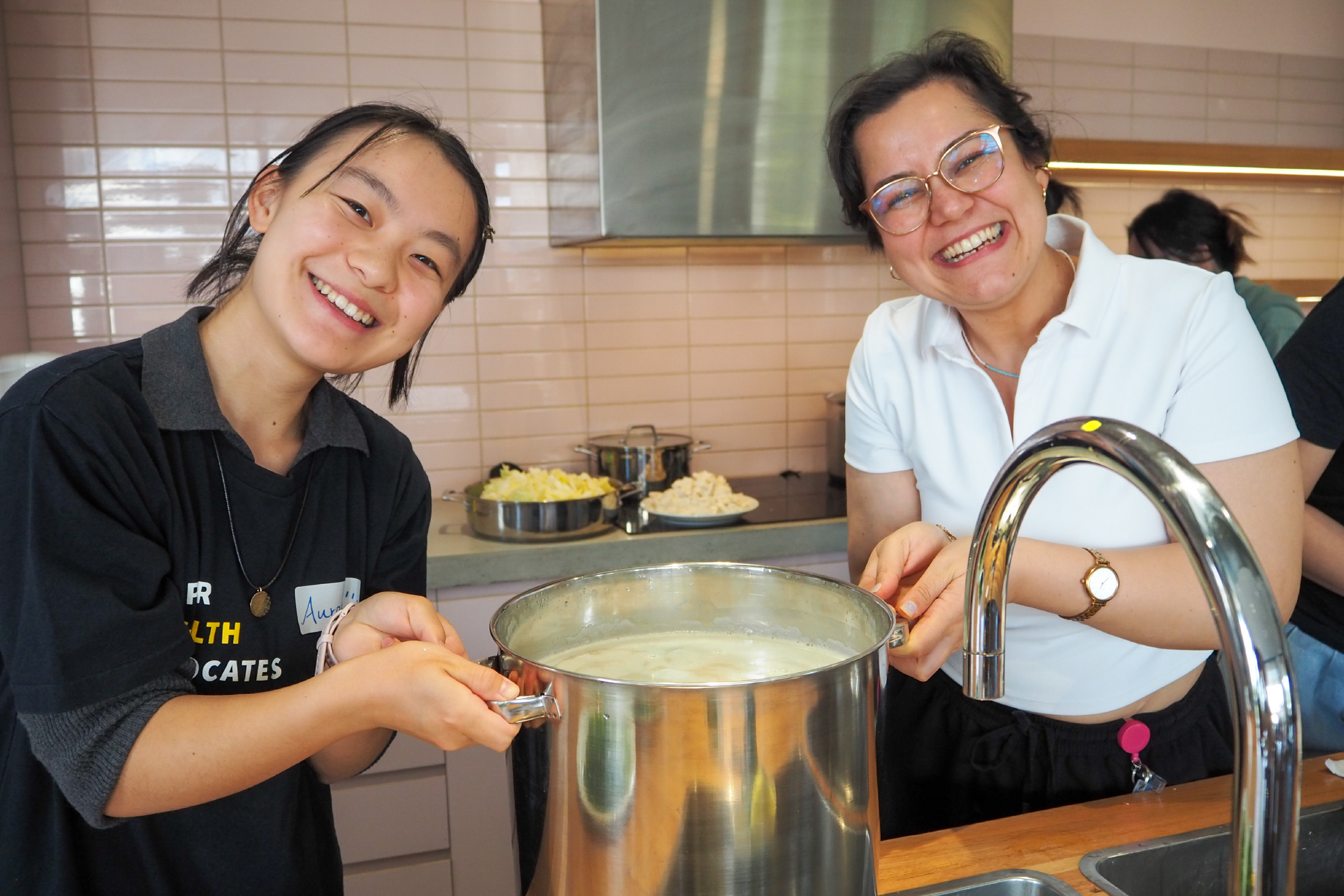
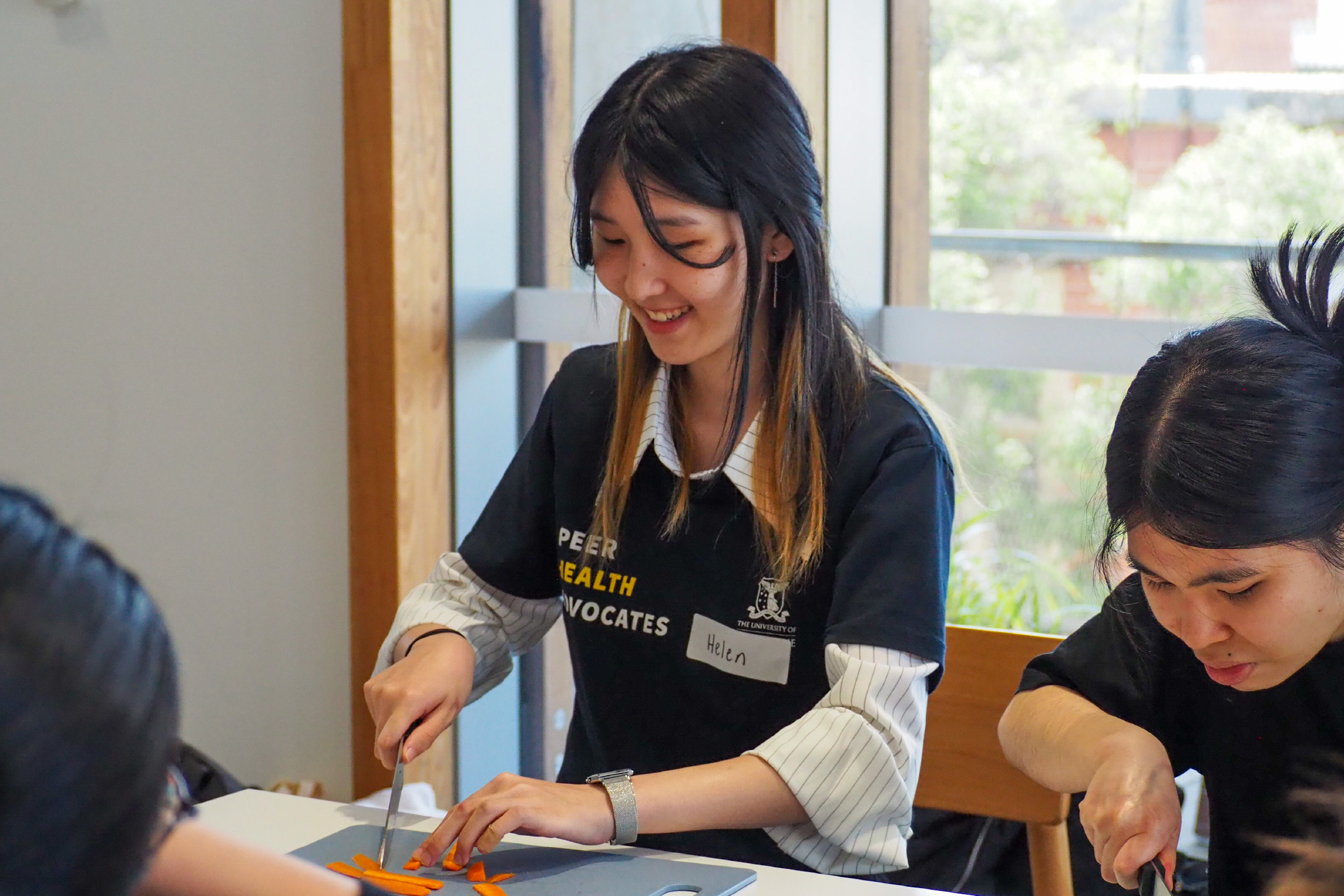
Our Healthy Eating program offers regular Cooking Workshops designed to empower you with the skills to create nutritious, budget-friendly and delicious meals quickly. Join us to continue building your cooking skills and embrace a healthier lifestyle.
-
Recipe Bank
These recipes have been developed by the Health Promotion Program team to be nutritious, budget-friendly and delicious. This collection includes all the recipes featured in our Cooking Workshops, along with additional ones to support your daily cooking and meal prep needs.
Important: The information on this webpage is for educational purposes only and is not intended as medical or health advice. If you have any pre-existing medical conditions that require specific dietary interventions, follow the advice of your healthcare professional. Always consult a healthcare professional before making any significant changes to your diet or lifestyle.
Meal prep tips
Meal prepping is a game-changer when you’re lacking time. It’s all about planning and making meals in advance to save time, cash and stress during hectic weeks. Spend a bit of time upfront to enjoy healthy, ready-to-eat meals that keep us energised and focused, even when things get busy. Let’s dive into meal prep strategies, yummy recipes and handy tips to make healthy eating a breeze in our uni lives.
-
If meal planning is new to you, or you’re returning to it after a break, it can seem overwhelming at first. Take it step by step to get back into the rhythm of it and to make sure your new routine lasts. Start by planning a few meals or snacks for the upcoming week. Over time, you’ll discover the most effective planning methods for you. Slowly expand your plan by incorporating additional meals as you become more comfortable.
-
Use a variety of reusable containers in different sizes to store prepped ingredients and meals. Choose microwave-safe and dishwasher-safe containers for convenience. Before buying new containers, take a quick look in your kitchen to make sure you’re not buying doubles.
-
-
Having healthy snacks prepped and ready to go can prevent mindless munching on less nutritious options. Cut up fruits and veggies for easy grab-and-go snacks, pair them with a tasty dip like hummus for added flavour. Apple with peanut butter is also a good one!
-
Frozen produce is usually just as nutritious as fresh and can be cheaper and more convenient. Produce is often flash-frozen at peak freshness, locking in vitamins and minerals. Stock up on frozen fruits for smoothies and frozen veggies for quick stir-fries or soups.
-
Herbs and spices are like magic ingredients – they bring a burst of flavour without adding extra calories. Try experimenting with a variety of herbs and spices to add a delicious twist to your meals. They can also breathe new life into your regular dishes without needing a complete menu makeover.
-
Put all your favourite meal prep recipes in one place, like a special notebook or a digital folder. Sort them by type, like 'breakfast' or 'dinner', so they’re easy to find. This way, you won’t waste time looking for recipes and planning meals will be a breeze!
-
Get creative with sauces by freezing them in ice moulds. This method not only helps portion the sauce effectively but also makes it convenient to use (e.g. defrost a pesto sauce ice block for a quick and delicious pesto pasta dish).
-
Learn more about food labelling dates on the Food Standards Australia New Zealand (FSANZ) website.
Brain foods
Give your brain a boost! Discover the top foods that enhance cognitive function, memory and focus for sharper mental and academic performance.

Fatty Fish
‘Oily’ fish such as salmon, trout and sardines are rich in omega-3 fatty acids. These fatty acids are super important for brain health and are linked to improved memory, focus and overall cognitive function.

Blueberries
Blueberries are packed with antioxidants, which have been shown to improve communication between brain cells and enhance memory.

Nuts and seeds
These are rich in nutrients like vitamin E, antioxidants and healthy fats, which are all beneficial for brain health.

Broccoli
Broccoli is a powerhouse of nutrients, including vitamin K, which is important for brain health. Eating broccoli can improve cognitive function and reduce oxidative stress.
Tip: Learn more about brain foods in Healthline's article: ‘11 Best Foods to Boost Your Brain and Memory’.
Australian Guide to Healthy Eating
You’ve probably seen that colourful triangle called the Australian Guide to Healthy Eating. It’s like a cheat sheet for making smart food choices. This guide is packed with science-backed tips on what foods and food groups we should eat every day to keep our bodies running smoothly and feeling awesome.
It’s not about strict diets or cutting out foods, instead it’s about finding the right mix of foods to fuel our brains and bodies. Following these guidelines helps us stay energised, focused, and ready to tackle all the challenges of being a student while keeping your health in check. You can learn more about the Australian dietary guidelines on the Eat for health website.
-
What it means: Don’t stick to the same foods all the time. Try different things from each food group.
Why it’s important: It gives your body a mix of nutrients it needs to stay healthy and keep your brain sharp for those long study sessions. Scientific evidence links diverse diets with better health outcomes and reduced risk of chronic diseases.
-
What it means: Load up on colourful fruits and veggies daily.
Why it’s important: They’re like nature’s multivitamins, packed with stuff that boosts your immune system and helps you focus better. It particularly reduces the risk of diet-related conditions such as high cholesterol and obesity.
-
What it means: Go for whole grains like whole wheat bread and high-fibre cereals.
Why it's important: They’re your energy buddies that provide you with sustained energy, fibre for digestive health and essential nutrients like B vitamins and iron.
-
What it means: Mix it up with lean proteins like chicken, fish, beans and nuts. Limit processed meats like sausages and ham.
Why it’s important: Protein helps your muscles recover after workouts and keeps you feeling full longer. Limiting processed meats is important because they are often high in unhealthy fats and preservatives, which can increase the risk of chronic diseases.
-
What it means: Cut back on greasy foods, sugary drinks and salty snacks.
Why it’s important: Too much of these can mess with your energy levels, mood and long-term health. Excessive intake of these foods can increase your risk of obesity, type 2 diabetes, cardiovascular disease and certain cancers.
-
What it means: Make sure to drink plenty of water throughout the day.
Why it’s important: Staying hydrated is crucial for your overall health. Water helps regulate body temperature, aids digestion, flushes out toxins and keeps your skin looking fresh. Dehydration can lead to headaches, fatigue and difficulty concentrating, so keep that water bottle handy.
Tip: See Better Health Vic for daily water intake recommendations.
Food sustainability tips
In Victoria, we are responsible for 25 per cent of Australia’s total food waste. Many countries have signed up to halve food waste by 2030. Victoria is now part of this global movement. By 2030, Victoria aims to reduce food waste by half – to 1.2 million tonnes. We have the power to make a big impact on our planet through how we eat and what we eat. By choosing sustainable eating habits, we can help create a healthier environment for everyone.
You might think that your food choices don’t matter much, but when we all make eco-friendly decisions together, it adds up to something incredible. From reducing waste to supporting local farmers, there are lots of easy ways we can eat sustainably. So how do we actually do it?
-
- Incorporating more plant-based foods is great for both your health and the planet. It helps to reduce greenhouse gas emissions, conserve water and land resources.
- Not ready to go fully plant-based? Still eat meat, but just less. Lean meat is a great source of protein.
-
- Support local farmers, reduce carbon emissions, and ensure fresher, more nutritious produce.
- Connect with regional food systems by choosing locally sourced and seasonal foods (e.g. from a local market like Queen Victoria Market).
- Find out how to buy fruits and vegetables in-season with Sustainable Table’s Seasonal Produce Guide.
-
- Minimise food waste through meal planning, proper storage and creative use of leftovers.
- You can compost organic waste at home by setting up a home composter, or putting it in your organics bin or the University‘s Community Garden worm farm. If you live in a council area with a lime green bin you can take advantage of the FOGO (Food Organics Garden Organics) program to process your compost.
-
- Choose minimal packaging and reusable containers and bags wherever possible.
- Support brands prioritising sustainable food packaging solutions, such as Nuffin who make dips in Kraft Paper tubs and Cleaver’s Organic who use paper trays for their ethically sustainable meats.
- Make use of the University’s free reusable coffee cup program, Green Caffeen, at Sustainable Campus.
- Keep a reusable bag or tote bag handy with you wherever you go. You never know when you might be doing your next grocery trip or picking a few things up.
- Silicone stretch lids are a great alternative to cling wrap.
-
Reduce your food miles and grab some kitchen essentials and herbs from our very own University of Melbourne Community Garden.
-
Our Cooking Workshop ‘Waste-free recipes’ are designed to minimise food waste by utilising every part of fresh produce and making use of ingredients already available in your fridge.
You can also use these waste-free resources to help you make the most of your ingredients, reduce food waste and save money:
- OzHarvest is Australia’s leading food rescue company, offering easy recipes and tips so that nothing goes to waste
- Jamie Oliver offers recipes for inspiring and hearty meals that will help reduce your food waste
- Coles Low Waste Chef offer recipes that help you get rid of leftover ingredients
- See food and lifestyle publication Delicious for a collection of ‘36 easy recipes that minimise waste’.
Eating on campus
Welcome to your guide to finding food on campus! Whether you’re craving a quick snack between classes or a satisfying meal, we’ve got you covered.
-
Explore our campus dining spots for delicious and healthy options that suit your taste buds. Highlights include:
- Campus Canteen, 201 Grattan Street, Parkville – provides healthy and affordable meals (breakfast, lunch and dinner) for $5 for students
- Journey’s Cafe – affordable food at Southbank campus, including vegetarian and vegan options.
- Campus General Store – convenience store on Parkville campus with takeaway food options.
-
Bringing your homemade meals to campus isn’t just about eating well, it’s also about making budget-friendly and healthy choices! When you cook at home, you can pick fresh, affordable, healthy ingredients and reduce food waste. Find campus microwave spots.
-
Our University Food relief programs are here to help ensure that every student in our University community has access to healthy food. The aim is to support you in staying active, healthy and focused on your studies by providing easy access to wholesome food options when you need them. Visit our webpage for several food relief programs to choose from, as well as a list of free and low-cost places to eat.
Traffic light system
Feeling snacky? Next time you head down to one of the University vending machines, look out for the traffic light label. The traffic light classification labels are based on the Victorian Government's Healthy Choices guidelines. These labels use a traffic light system to help you make healthier food choices:
-
These items are the healthiest options. They are usually lower in saturated fats, added sugars and sodium; and higher in beneficial nutrients like vitamins, minerals and fibre.
-
These items are okay to have occasionally but should be eaten in moderation. They may have slightly higher amounts of fats, sugars or sodium, compared to green items.
-
These items are less healthy and should be consumed sparingly. They often have higher levels of unhealthy fats, sugars or sodium, and may be lower in beneficial nutrients.
Grocery shopping tips
Is your fridge feeling a bit empty? Here are some tips on doing your weekly groceries in the Melbourne CBD and Parkville campus area.
-
- Aldi Melbourne: 501 Swanston St, Melbourne VIC 3000
- Coles Central Melbourne CBD: Elizabeth St and Flinders St, Melbourne VIC 3000
- Woolworths Carlton: Lygon Court, 368–380 Lygon St, Carlton VIC 3053
- Woolworths QV: Corner of Lonsdale and Swanston St, Melbourne VIC 3000.
-
Are you unsure about the difference between Coles and Coles Central, or Woolworths and Woolworths Metro? Stores labelled with ‘Central’ or ‘Metro’ are smaller, convenience-focused shops located in city centres or busy spots. They have a smaller variety of products compared to big supermarkets and can be a bit pricier due to their convenience.
-
Melbourne’s local markets are a fun and lively alternative to your major shopping markets. They provide a diverse range of fresh produce, including fruits, vegetables, meats and pantry staples. Some are open during the week, but they are usually open every weekend.
- Melbourne Farmers Markets in Alphington, Carlton and Coburg
- Queen Victoria Market
- Prahran Market
- South Melbourne Market
You can also check out Broadsheet for a list of ‘Ten Essential Farmers markets in Melbourne’s inner City’.
-
Help stop food waste by stocking up on super cheap and healthy snacks at Cheaper Buy Miles! To combat food waste and give you food at the best price, they sell close to, and past ‘best before’ date food – all with a 100 per cent money-back guarantee. Locate your closest Cheaper Buy Miles store.
Gallery



Get involved
-
The Health Promotion Program Grant is provided by the University Health Promotion Program (HPP) to fund activities and programs throughout the University that address the health and wellbeing of students. Do you or your team – including clubs and departments – have a concept or program aligned with the 'Healthier Bodies pillar' of HPP that you’d like to bring to life?
Healthier Bodies pillar: Focuses on improving equity of experience in nutrition, physical activity, food security and improving behaviours towards alcohol and other drugs across the student population.
-
Our amazing PHAs are students from many different faculties who share a passion for health and wellness and are involved in University Health Promotion Program activities, including the Cooking Workshops. Are you interested in joining the team?
-
Are you a Wattle Fellow exploring ideas or planning your project? Do you have a passion for food sustainability and security? Let’s connect for a conversation and explore how we can support your goals.
Contact the Wattle Fellowship: wattle-fellowship@unimelb.edu.au.
-
You can contact the University Health Promotion Program at health-promotion@unimelb.edu.au.